Preparing Ground for Construction and Improvement
Land Clearing in Ladysmith for properties requiring removal of trees, brush, and stumps before development
Wooded and rural properties around Ladysmith often contain dense vegetation, standing timber, and root systems that must be removed before construction, access improvements, or open space development can proceed. Buzzcut Forestry Services manages land clearing projects where the goal is to transition ground from its natural state to a condition suitable for building, grading, or other uses. The clearing method depends on what is growing on the property, how accessible the site is, what the terrain allows, and what the finished ground needs to support.
Clearing can involve felling trees, grinding or removing stumps, processing brush, and hauling debris off-site when necessary, or it may use mulching methods that leave processed material in place. The approach changes based on whether the property will be graded for a structure, opened for pasture or lawn, or prepared for future access routes. Some projects require selective removal to preserve specific trees or natural features, while others call for complete clearing to bare soil.
Request an estimate to review your property layout, vegetation type, and the intended use of the cleared area.
How Clearing Changes Property Function
Land clearing removes the physical barriers that prevent equipment access, construction, and ground-level improvements. The work exposes soil and topography that were previously hidden beneath vegetation, which allows for accurate grading, drainage planning, and layout decisions. Stumps and root masses are either ground below grade or extracted depending on what the cleared ground will support, and the finished surface reflects the degree of preparation required for the next phase of work.
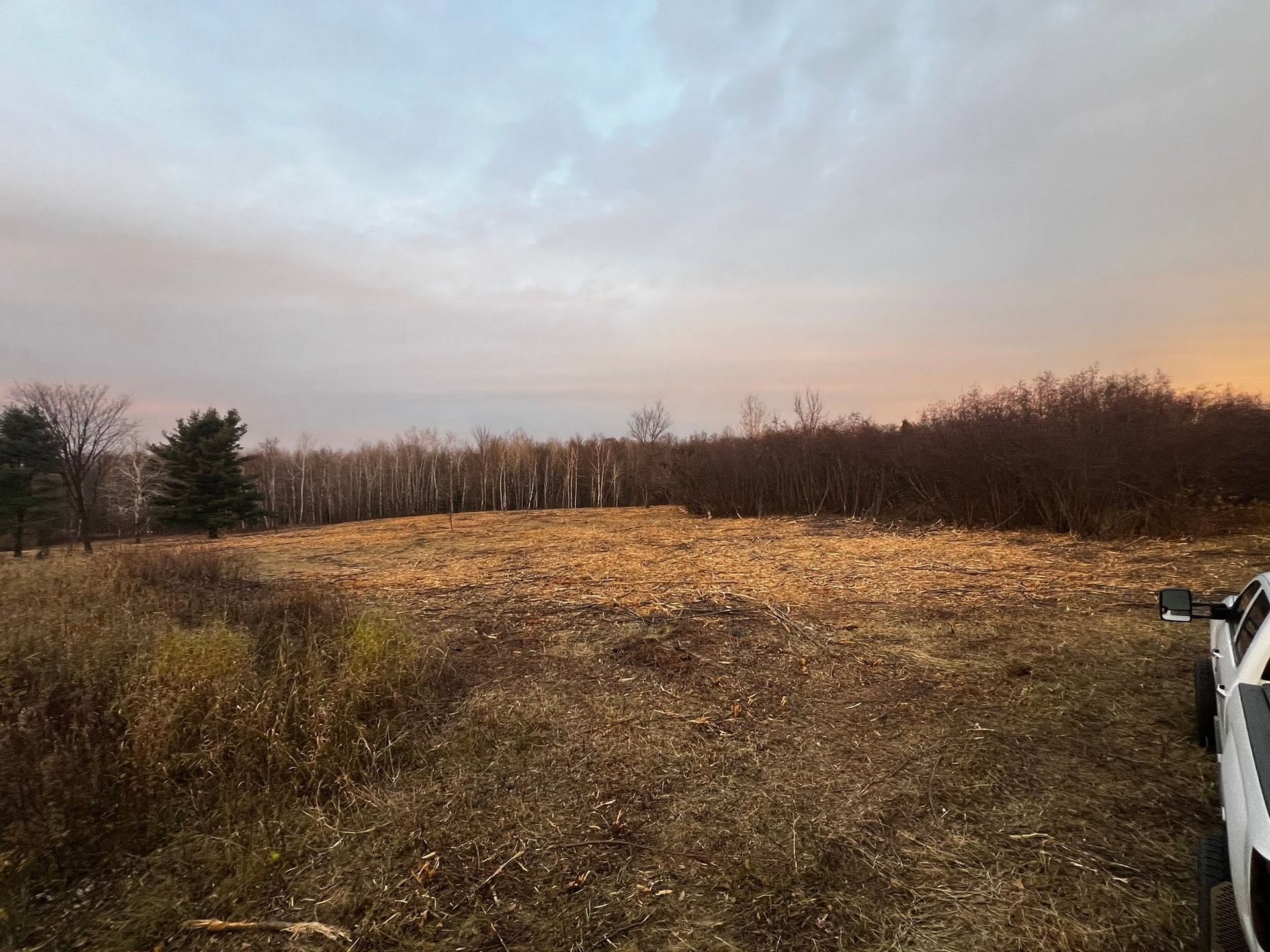
After clearing, you see defined boundaries, open sight lines, and usable space where dense growth previously made planning or movement difficult. The ground becomes accessible to equipment that could not navigate the property before, and construction, grading, or planting can proceed without obstruction. The cleared condition does not remain static—regrowth will occur unless the ground is maintained, graded, or converted to another use that suppresses vegetation.
Clearing does not always mean removal of all organic material; some projects benefit from leaving mulched debris to stabilize soil temporarily, while others require clean removal to meet construction or regulatory standards. The scope and method are determined by the project's end goal and the site conditions encountered during the work.
Answers to Frequent Service Questions
Property owners preparing land for construction or improvement typically ask about methods, costs, and what the cleared ground will look like after the work is finished.
What determines whether stumps are ground or pulled during land clearing?
Grinding works when the cleared area will be graded or covered, leaving roots to decompose below the surface. Pulling stumps is necessary when deep excavation or permanent structures require complete root removal, though it disturbs more soil and may require additional grading.
How does terrain affect the clearing process in rural Ladysmith properties?
Slopes, wetlands, rocky soil, and limited access all influence equipment choice and clearing methods. Steep grades may require specialized machinery or manual work in areas where standard equipment cannot operate safely, and wet ground conditions often delay scheduling until soil can support equipment weight.
What should I do with cleared material after the project is complete?
Debris can be chipped and left on-site as mulch, hauled away for disposal, or burned if local regulations and conditions allow. The choice depends on the volume of material, your plans for the cleared area, and whether you want organic matter to remain on the property.
How far in advance should I schedule land clearing before construction begins?
Scheduling depends on property size, vegetation density, and weather conditions, but allowing several weeks ensures time for equipment availability and any follow-up work such as grading or stump treatment. Frozen ground in winter can limit access, while wet spring conditions may delay progress.
What is included in a land clearing estimate?
Estimates account for vegetation type and density, stump removal or grinding, debris disposal, site access, and any obstacles such as rocks or old structures. The quote reflects the clearing method that fits your project requirements and the property's specific conditions.
Buzzcut Forestry Services provides land clearing services tailored to construction timelines, site conditions, and your project goals. Reach out to discuss your property and receive a detailed estimate based on the clearing work required.