Targeted Earthwork for Property Improvements
Small Excavation in Ladysmith for site preparation, grading adjustments, and practical soil relocation
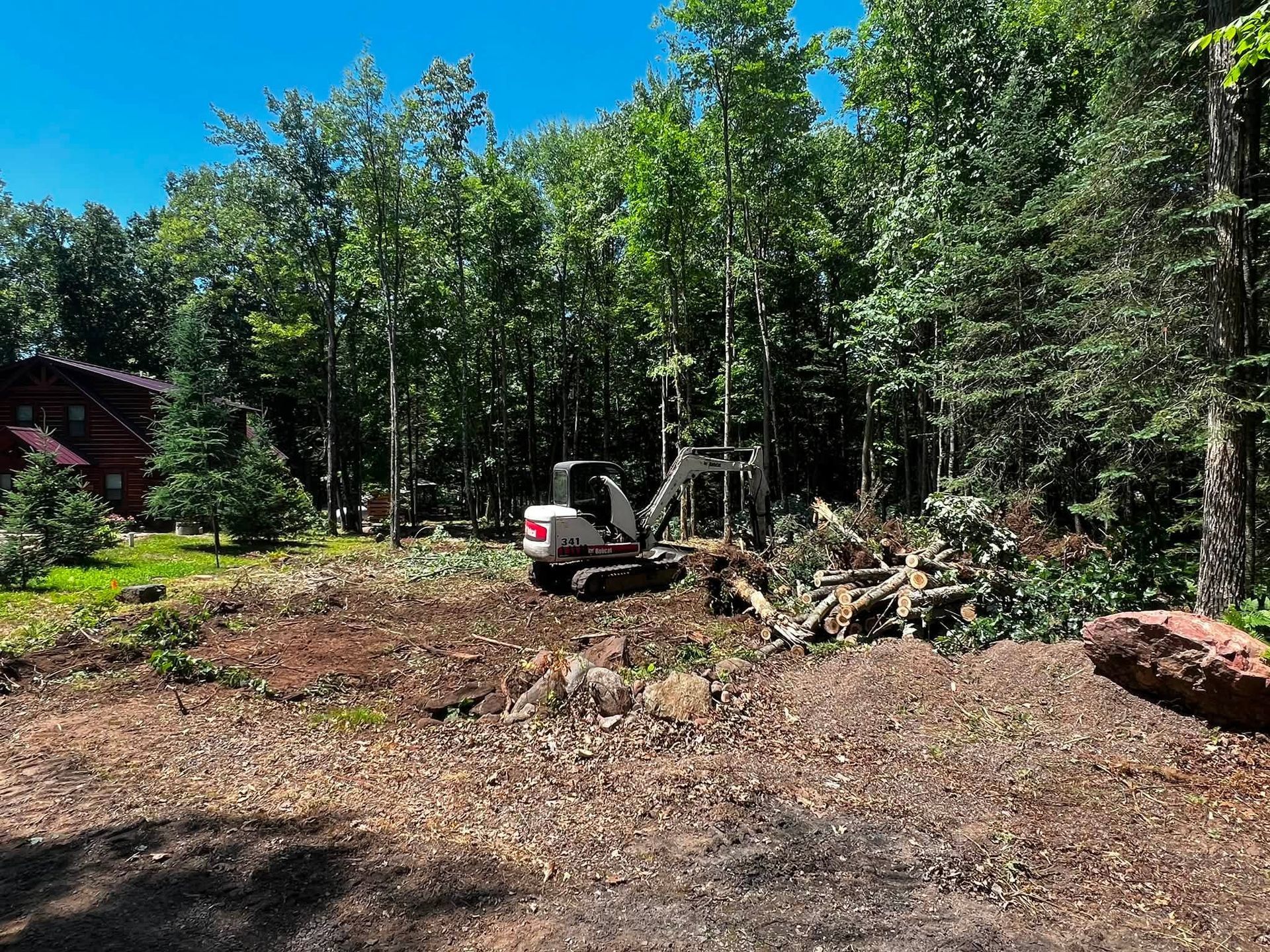
Properties around Ladysmith often require earthwork that does not justify large-scale excavation equipment but still demands more capability than hand tools or basic landscaping equipment can provide. Buzzcut Forestry Services handles small excavation projects where the goal is to prepare work areas, move soil, shape ground, or support site improvements such as access routes, drainage adjustments, or building preparation. The appropriate method depends on site access, soil conditions, terrain, and the finished grade required for the project.
Small excavation covers work such as digging for footings, leveling ground for outbuildings, creating berms or swales for water management, and removing or redistributing soil to improve site functionality. The equipment used is sized to match the project scope and access constraints, allowing work in areas where larger machines cannot operate or where precision matters more than volume. Projects benefit from evaluating the site before work begins to identify soil type, drainage patterns, and any obstacles such as roots, rocks, or buried debris that affect the digging process.
Share your project dimensions and intended use when requesting an estimate so the work plan matches your site requirements.
What Small-Scale Excavation Accomplishes
Excavation work moves soil to create the grade, depth, or shape needed for the next phase of a project. The process exposes subsoil layers, removes material that interferes with construction or drainage, and redistributes earth to support structures, access, or water management. Soil conditions vary across properties—some areas have loose, workable material, while others contain clay, rock, or compacted layers that slow digging and affect how the finished grade holds up over time.
After excavation, the site reflects the intended grade or depth, and you see prepared ground where soil previously prevented construction, caused standing water, or limited access. The finished excavation does not remain stable indefinitely without compaction, surfacing, or construction that secures the disturbed soil, and erosion or settling can alter the grade if the site is left exposed to weather. Projects that involve drainage or structural support benefit from understanding how water moves through the excavated area and whether additional base material or compaction is needed.
Small excavation does not include hauling large volumes of soil off-site, extensive grading over large acreage, or deep digging for utilities unless those services are specified. The work focuses on practical earthwork that supports property improvements without requiring specialized equipment or multi-phase excavation projects.
What Property Owners Usually Ask
Customers planning site improvements often want to know how excavation affects their property, what preparation is required, and how soil conditions influence the project.
What qualifies as small excavation rather than large-scale earthwork?
Small excavation typically involves moving a few cubic yards to a few dozen cubic yards of soil, digging to shallow or moderate depths for specific features, and working in areas where access or precision limits the use of large equipment. Projects requiring deep trenches, extensive grading, or high-volume soil removal fall outside this scope.
How do soil conditions in Ladysmith affect excavation work?
Sandy soils dig easily but require support to prevent cave-ins, while clay soils are dense and harder to excavate but hold shape better. Rocky or root-filled ground slows progress and may require hand work or specialized tools to clear obstacles, and wet soil conditions can delay work until the ground dries enough to support equipment.
What preparation is needed before excavation begins?
Mark any underground utilities, irrigation lines, or septic components before digging starts. Clear surface vegetation or debris if it obstructs access, and identify where excavated soil should be placed—whether redistributed on-site or piled for removal. Wet or frozen ground may require rescheduling depending on equipment and safety considerations.
How is excavated soil managed during the project?
Soil can be redistributed on the property for grading or fill, stockpiled for later use, or hauled away if it is not needed. The choice depends on project requirements, soil quality, and whether the material is suitable for reuse. Some projects generate excess soil that must be removed, while others require importing fill to achieve the desired grade.
When should excavation be scheduled relative to other project phases?
Excavation typically occurs after site clearing and before construction, grading, or drainage installation. Timing depends on weather, ground conditions, and the sequence of work—scheduling too early risks erosion or grade changes, while delaying can push back dependent tasks.
Buzzcut Forestry Services provides small excavation services for property improvements that require targeted earthwork. Contact us to review your project goals, site conditions, and grading requirements for an estimate based on the work involved.