Corridors That Support Practical Access
Trail Clearing in Ladysmith for wooded acreage, recreational land, and obstructed private routes
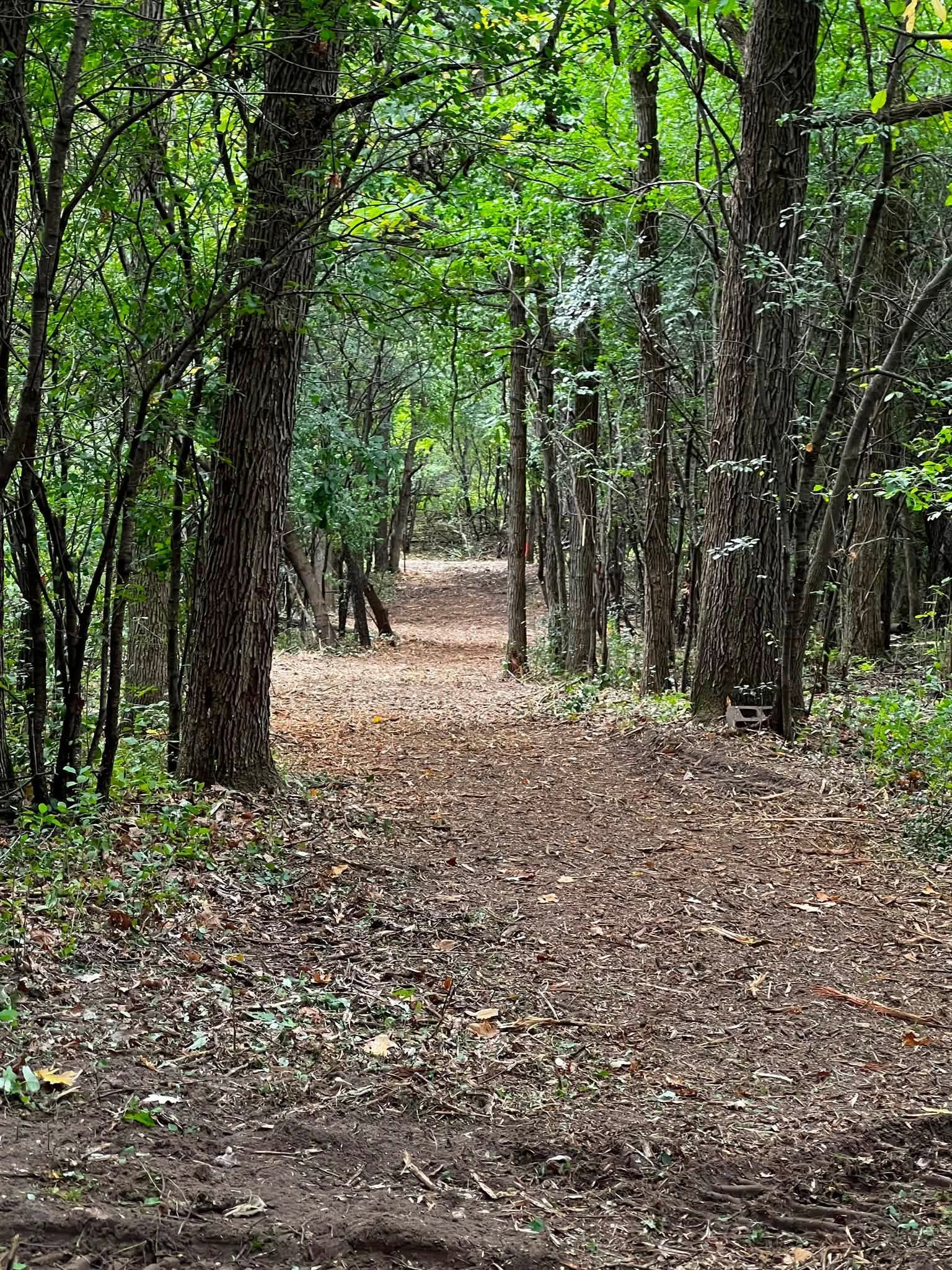
Trails through wooded properties in Ladysmith become impassable when saplings, brush, and encroaching vegetation reclaim the corridor. Buzzcut Forestry Services clears trails that have been obstructed by years of growth or creates new routes through areas where no defined path exists. The work produces a more accessible, defined corridor that accommodates foot traffic, vehicles, or equipment depending on the width and terrain you specify.
Trail clearing involves removing vegetation along the intended route, cutting back overhanging branches, and processing material so the path remains open and navigable. The width and clearing intensity depend on how the trail will be used—whether for walking, ATV access, equipment transport, or property inspection. Terrain and soil conditions also influence the approach, particularly on slopes or in areas with heavy root systems that affect footing or drainage.
Discuss your route, desired width, and access needs to determine the clearing method that fits your property.
Why Trail Surface and Width Matter
The clearing process removes standing vegetation and processes it into material that either remains on-site as mulch or is removed depending on the trail's intended use. Narrow trails for foot traffic require less intensive clearing than routes meant for vehicles, and the finished width determines how much vegetation must be cut back from the centerline. The trail surface after clearing reflects the original ground conditions—roots, rocks, and uneven terrain remain unless additional grading or surfacing is performed.
Once the corridor is cleared, you can move through areas that were previously blocked or difficult to navigate, and the defined path makes property boundaries, resources, or access points easier to reach. The cleared trail does not stay open indefinitely without maintenance, as regrowth from surrounding vegetation will gradually encroach on the edges. Properties with fast-growing species or high seed pressure require more frequent follow-up clearing than those with slower regrowth patterns.
Trail clearing does not include grading for drainage or surfacing with gravel unless specified as part of the project. The work focuses on removing vegetation and establishing the corridor, leaving the ground in a condition that allows for immediate use or further improvement depending on your plans.
Common Questions About This Service
Property owners planning trail projects often ask about the clearing process, maintenance expectations, and how terrain affects the finished result.
How wide should a trail be cleared for different types of use?
Walking trails typically require clearing four to six feet wide, while ATV or equipment routes need eight to twelve feet depending on vehicle width and turning radius. Wider corridors allow for easier passage and reduce the frequency of edge maintenance as vegetation regrows.
What happens to the vegetation removed during trail clearing?
Material can be mulched in place to form a surface layer, moved to the trail edges, or chipped and hauled if the volume is excessive or if you want a cleaner finished appearance. The method depends on trail width, vegetation density, and how you plan to use the corridor.
How does terrain in Ladysmith affect trail clearing work?
Rocky soil, slopes, wetlands, and root-heavy ground all influence equipment access and clearing methods. Steep grades may require hand work or specialized equipment in sections where larger machines cannot operate, and wet areas may need drainage consideration to prevent erosion or rutting.
When is the best time to clear trails on wooded property?
Late fall through early spring is often preferable because frozen or dry ground supports equipment better, and reduced foliage makes it easier to see the route and work efficiently. However, scheduling depends on weather conditions and whether the ground can support machinery without excessive rutting.
How often will the trail need re-clearing after the initial work?
Regrowth rates depend on the types of vegetation cleared, proximity to seed sources, and soil moisture. Trails through areas with aggressive brush or aspen may need attention every few years, while routes through mature hardwood stands with limited undergrowth stay open longer with minimal maintenance.
Buzzcut Forestry Services clears trails based on your property layout and intended use. Contact us to walk the proposed route and receive an estimate that reflects terrain, vegetation, and the level of clearing required.